
Search
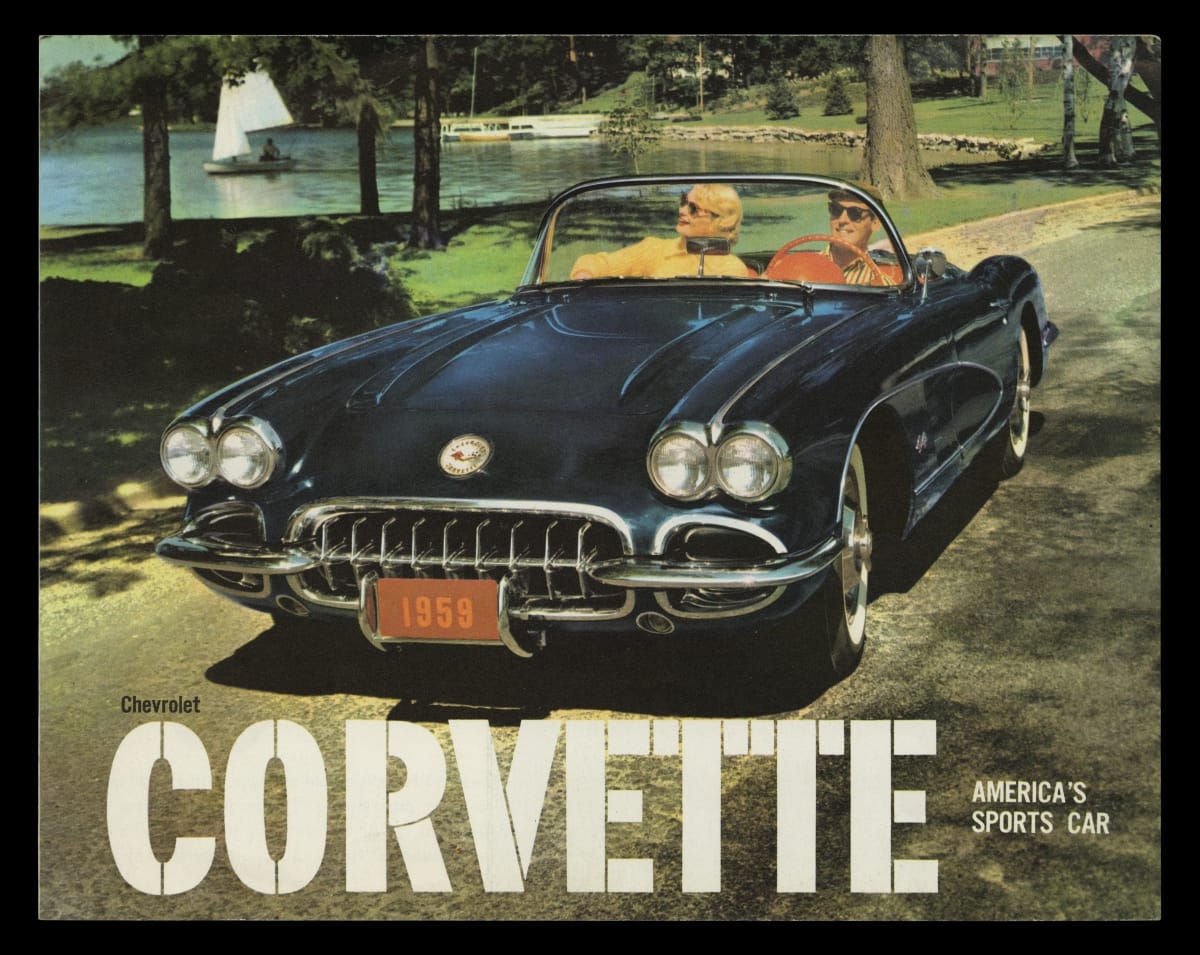
- Chevrolet Corvette America's Sports Car, 1959 - Corvette styling received modest updates for 1959. Chrome strips were removed from the rear deck lid, and the bucket seats and door panels were redesigned. Exterior color choices included black, white, cream, silver, red, blue, and crown sapphire. Contrasting side coves were available in either silver or white. Factory price started at $3,875 and yearly production totaled 9,670 cars.
- 1959
- Collections - Artifact
Chevrolet Corvette America's Sports Car, 1959
Corvette styling received modest updates for 1959. Chrome strips were removed from the rear deck lid, and the bucket seats and door panels were redesigned. Exterior color choices included black, white, cream, silver, red, blue, and crown sapphire. Contrasting side coves were available in either silver or white. Factory price started at $3,875 and yearly production totaled 9,670 cars.
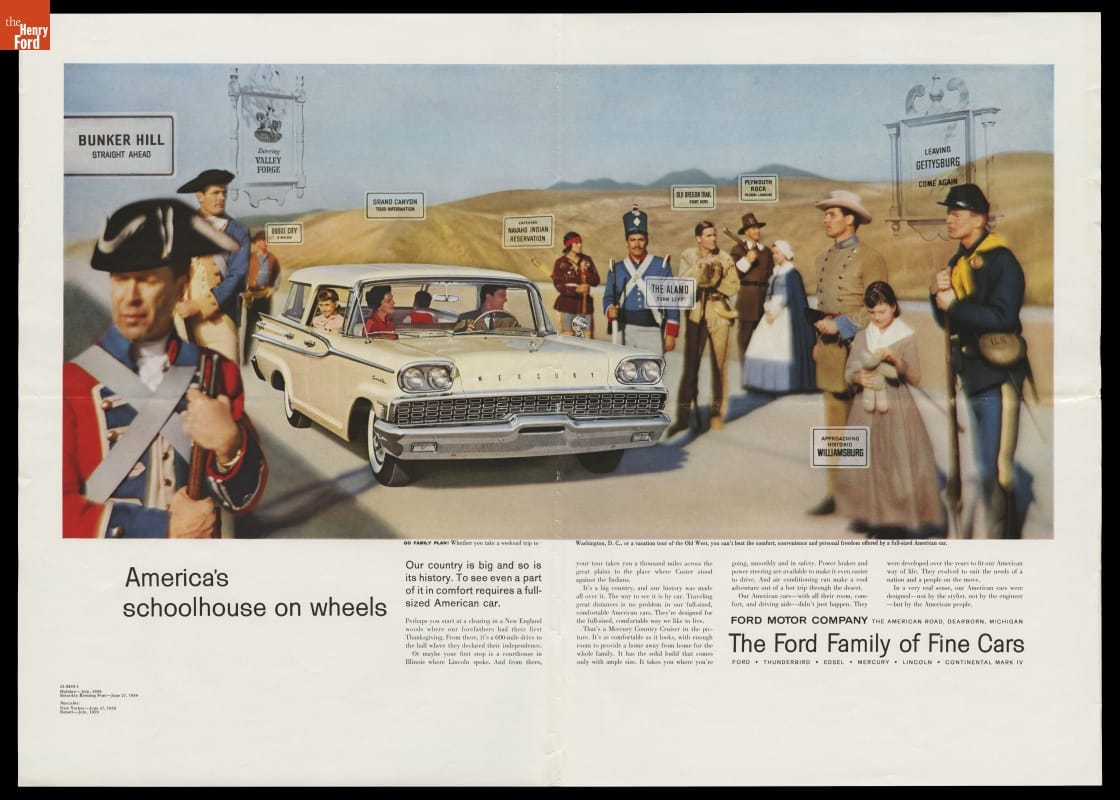
- 1959 Ford Ad, "America's Schoolhouse on Wheels" - Vacationers, according to this 1959 ad, could experience American history in the comfort of a Mercury Country Cruiser--"America's Schoolhouse on Wheels."
- July 01, 1959
- Collections - Artifact
1959 Ford Ad, "America's Schoolhouse on Wheels"
Vacationers, according to this 1959 ad, could experience American history in the comfort of a Mercury Country Cruiser--"America's Schoolhouse on Wheels."
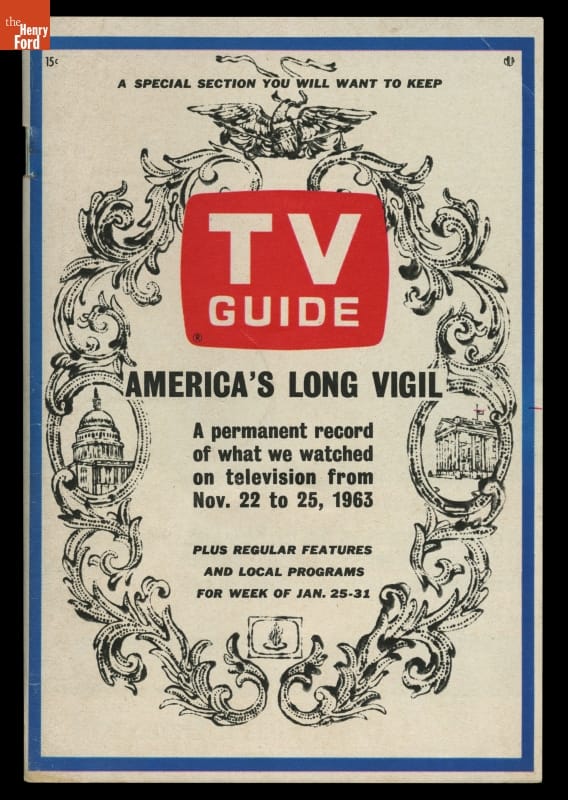
- "TV Guide: America's Long Vigil," 1963-1964 - This issue of <em>TV Guide</em> documented the unprecedented four-day, uninterrupted television coverage of the assassination of President John F. Kennedy, the succession of President Lyndon B. Johnson and the national mourning. Produced a mere two months after the tragedy, this extraordinary issue recounted the hour-by-hour events, the television anchors and reporters who stayed on duty, and provided the reader with a memorial souvenir.
- January 25, 1964
- Collections - Artifact
"TV Guide: America's Long Vigil," 1963-1964
This issue of TV Guide documented the unprecedented four-day, uninterrupted television coverage of the assassination of President John F. Kennedy, the succession of President Lyndon B. Johnson and the national mourning. Produced a mere two months after the tragedy, this extraordinary issue recounted the hour-by-hour events, the television anchors and reporters who stayed on duty, and provided the reader with a memorial souvenir.
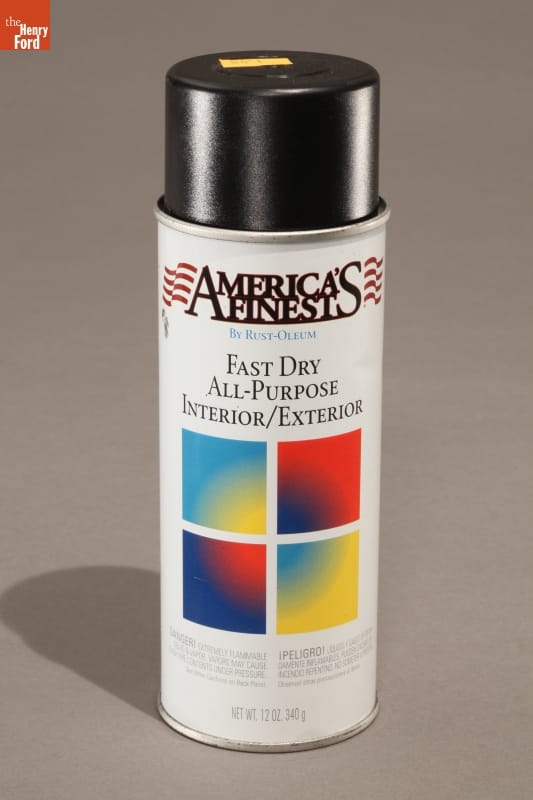
- "America's Finest" Spray Paint Can, 2005-2008 - Many car artists have no formal training. They use common materials, such as this can of Rustoleum spray paint, to transform their vehicles and turn their inspiration into reality.
- 2005-2008
- Collections - Artifact
"America's Finest" Spray Paint Can, 2005-2008
Many car artists have no formal training. They use common materials, such as this can of Rustoleum spray paint, to transform their vehicles and turn their inspiration into reality.
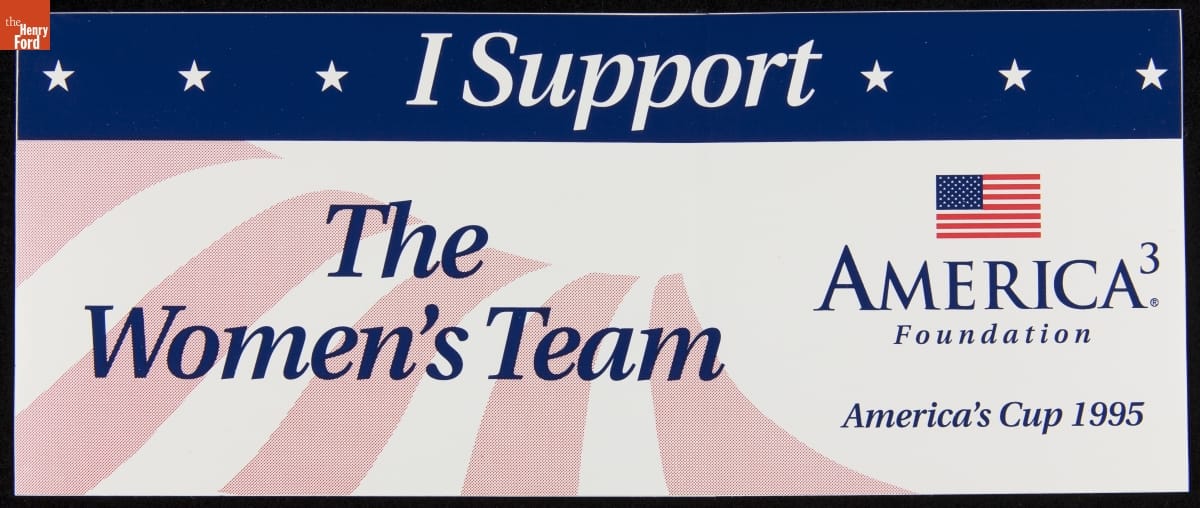
- Bumper Sticker, "I Support the Women's Team, America3 Foundation, America's Cup 1995" -
- 1995
- Collections - Artifact
Bumper Sticker, "I Support the Women's Team, America3 Foundation, America's Cup 1995"
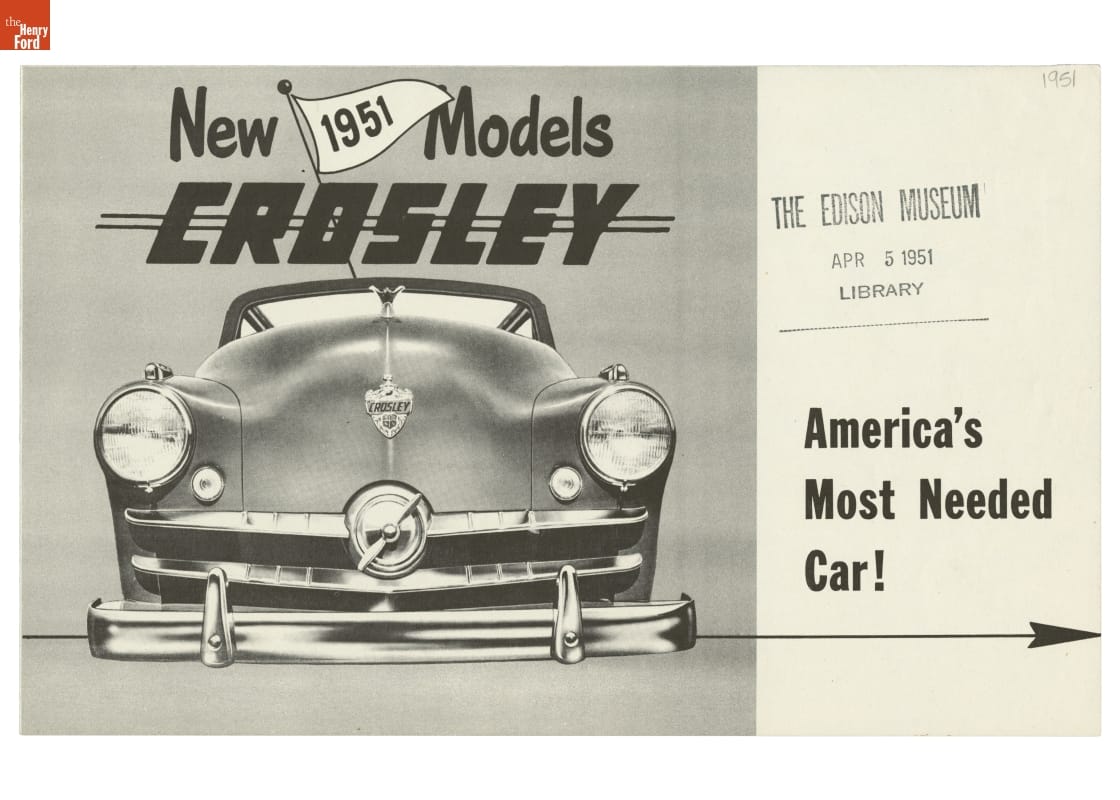
- 1951 Crosley Sales Brochure, "America's Most Needed Car!" - This sales brochure touted the 1951 Crosley as "America's Most Needed Car." Unfortunately for Powel Crosley, head of Crosley Motors Inc., not enough Americans thought they needed his car. Crosley ceased automobile production in 1952.
- 1951
- Collections - Artifact
1951 Crosley Sales Brochure, "America's Most Needed Car!"
This sales brochure touted the 1951 Crosley as "America's Most Needed Car." Unfortunately for Powel Crosley, head of Crosley Motors Inc., not enough Americans thought they needed his car. Crosley ceased automobile production in 1952.
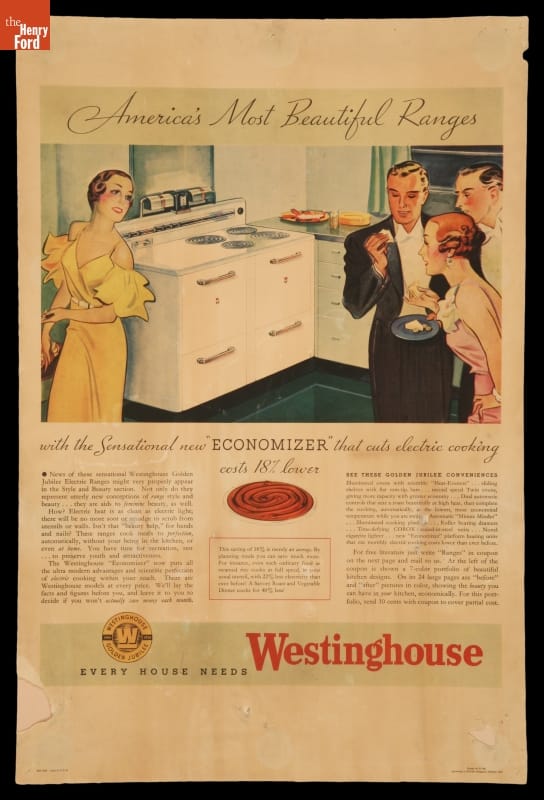
- Advertising Poster, "America's Most Beautiful Ranges are Westinghouse," 1936 -
- 1936
- Collections - Artifact
Advertising Poster, "America's Most Beautiful Ranges are Westinghouse," 1936
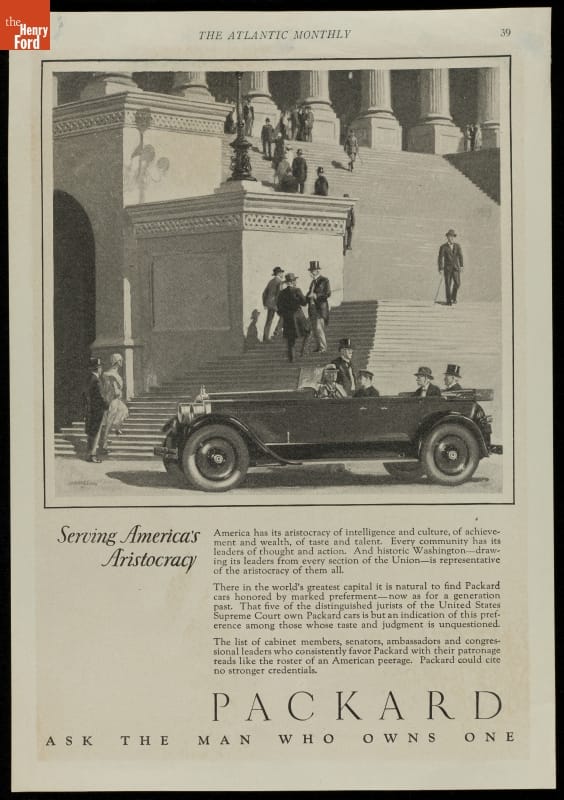
- Advertisement for Packard Motor Company, "Serving America's Aristocracy," 1926 - Packard Motor Car Company of Detroit built luxury automobiles. This 1926 advertisement, in which the company boasted that it was "serving America's aristocracy," left no doubt about that. Packard's longtime slogan, "Ask the man who owns one," rated among the most effective automobile taglines. It was restrained, confident and memorable. Packard used the slogan for most of its 59-year existence.
- 1926
- Collections - Artifact
Advertisement for Packard Motor Company, "Serving America's Aristocracy," 1926
Packard Motor Car Company of Detroit built luxury automobiles. This 1926 advertisement, in which the company boasted that it was "serving America's aristocracy," left no doubt about that. Packard's longtime slogan, "Ask the man who owns one," rated among the most effective automobile taglines. It was restrained, confident and memorable. Packard used the slogan for most of its 59-year existence.
- Advertising Postcard, "America's Hometown Celebrates Emancipation," Greenfield Village, August 2005 -
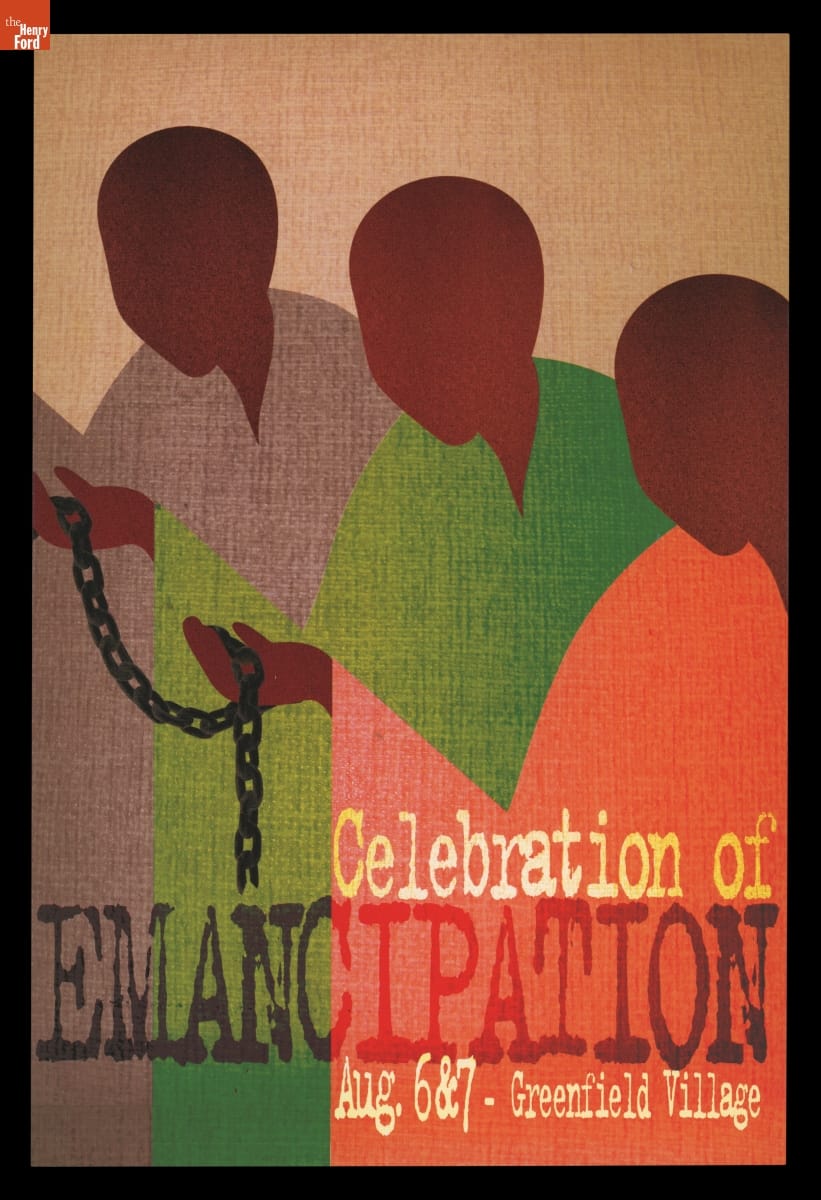
- 06 August 2005 - 07 August 2005
- Collections - Artifact
Advertising Postcard, "America's Hometown Celebrates Emancipation," Greenfield Village, August 2005
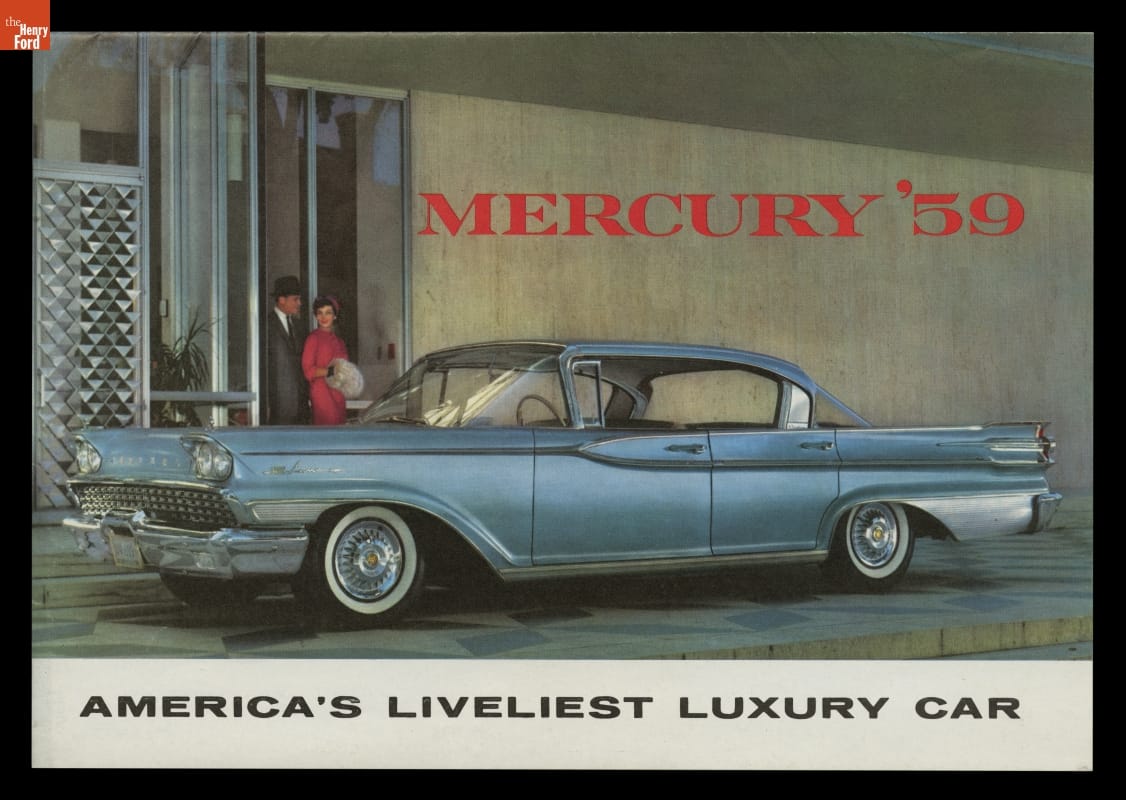
- 1959 Mercury Sales Brochure, "Mercury '59 America's Liveliest Luxury Car" - Mercury's 1959 models had a family resemblance to that year's Ford lineup. Distinctive features included the honeycomb grille and the concave bodyside sculpting that extended from the front door through the length of the rear fender. Mercury offered three sedan series -- Park Lane, Montclair and Monterey -- in addition to the Country Cruiser station wagon.
- 1959
- Collections - Artifact
1959 Mercury Sales Brochure, "Mercury '59 America's Liveliest Luxury Car"
Mercury's 1959 models had a family resemblance to that year's Ford lineup. Distinctive features included the honeycomb grille and the concave bodyside sculpting that extended from the front door through the length of the rear fender. Mercury offered three sedan series -- Park Lane, Montclair and Monterey -- in addition to the Country Cruiser station wagon.