
Search
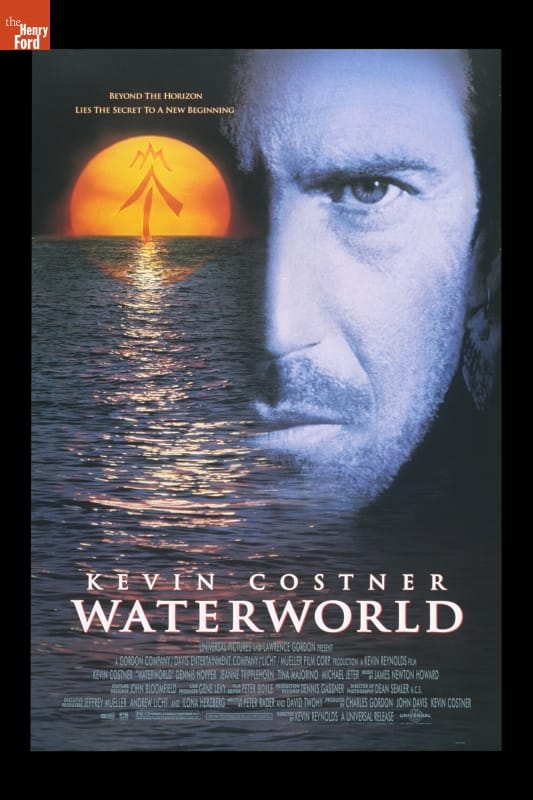
- Movie Poster, "Waterworld," 1995 -
- 1995
- Collections - Artifact
Movie Poster, "Waterworld," 1995
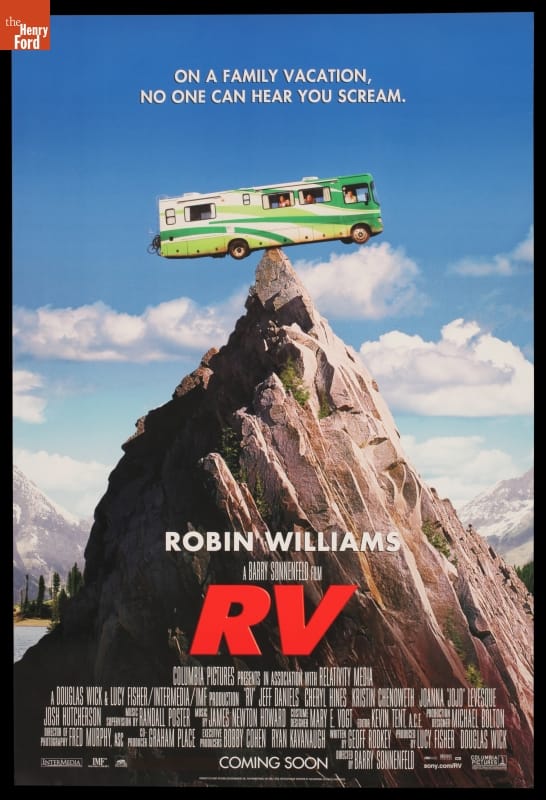
- Movie Poster, "RV," 2006 - We all have stories about family vacations. And from time to time Hollywood has turned these travails into motion picture comedy. The 2006 film, <em>RV</em> starring Robin Williams, is a comic retelling of family vacations seemingly gone bad.
- 2006
- Collections - Artifact
Movie Poster, "RV," 2006
We all have stories about family vacations. And from time to time Hollywood has turned these travails into motion picture comedy. The 2006 film, RV starring Robin Williams, is a comic retelling of family vacations seemingly gone bad.
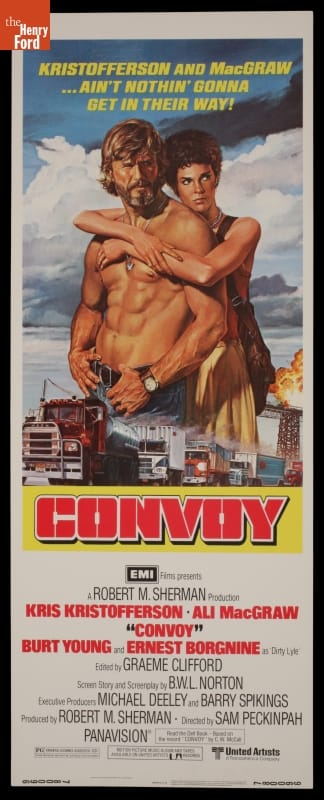
- Movie Poster, "Convoy," 1978 - Traveling the open highway, talking on citizens' band (CB) radios, encounters with corrupt police officials, and exploding cargoes punctuate the 1978 movie <em>Convoy</em>. The reality of truck driving, however, is far less exciting. Truck driving remains demanding, sometimes dangerous, and often boring work.
- 1978
- Collections - Artifact
Movie Poster, "Convoy," 1978
Traveling the open highway, talking on citizens' band (CB) radios, encounters with corrupt police officials, and exploding cargoes punctuate the 1978 movie Convoy. The reality of truck driving, however, is far less exciting. Truck driving remains demanding, sometimes dangerous, and often boring work.
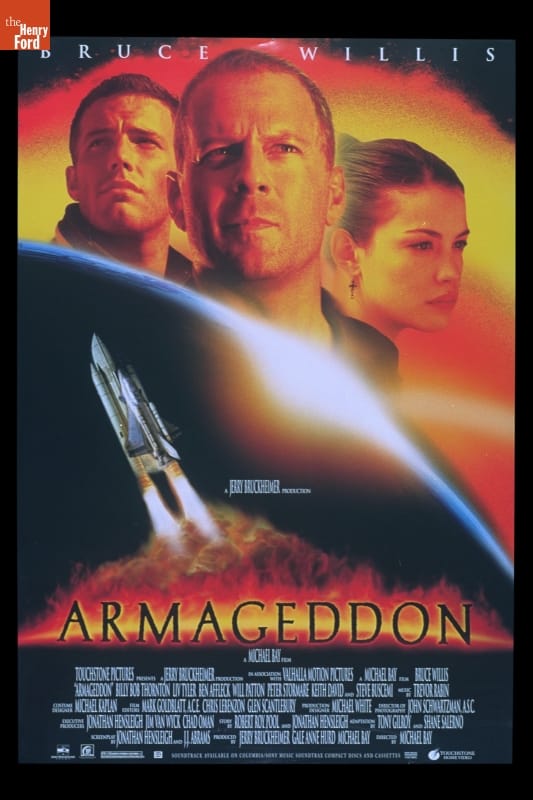
- Movie Poster, "Armageddon," 1998 -
- 1998
- Collections - Artifact
Movie Poster, "Armageddon," 1998
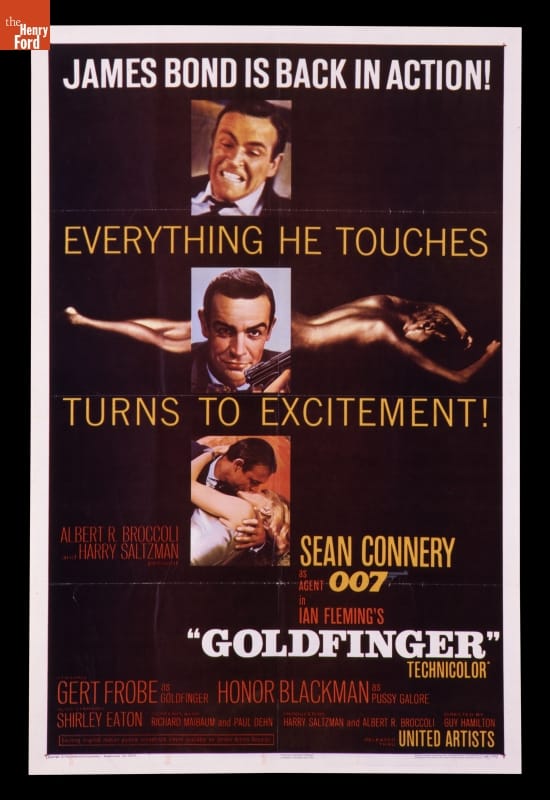
- Movie Poster, "Goldfinger," 1964 - Sean Connery returned for his third outing as British super spy James Bond in 1964's <em>Goldfinger</em>. The movie, directed by Guy Hamilton, cemented the core elements of the 007 formula: larger-than-life villains, glamorous locations, and high-tech gadgets. <em>Goldfinger</em> also introduced Bond's Aston Martin DB5 (with modifications) -- still considered one of the silver screen's iconic cars.
- 1964
- Collections - Artifact
Movie Poster, "Goldfinger," 1964
Sean Connery returned for his third outing as British super spy James Bond in 1964's Goldfinger. The movie, directed by Guy Hamilton, cemented the core elements of the 007 formula: larger-than-life villains, glamorous locations, and high-tech gadgets. Goldfinger also introduced Bond's Aston Martin DB5 (with modifications) -- still considered one of the silver screen's iconic cars.
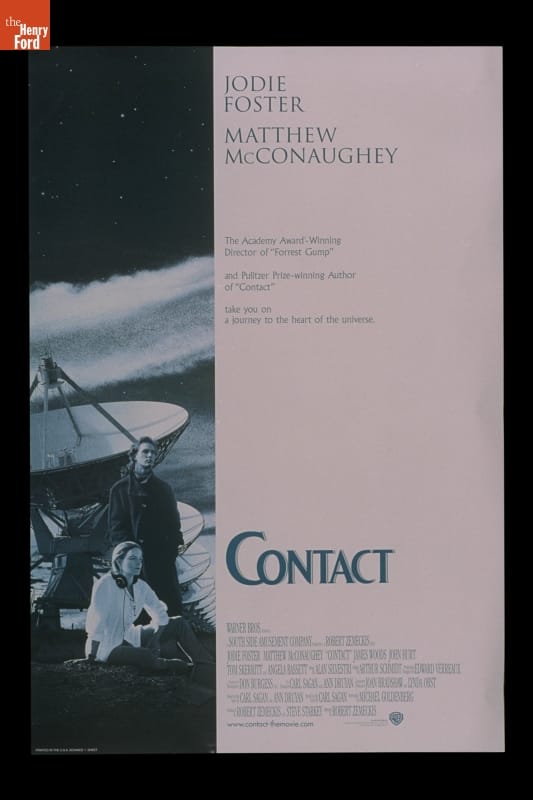
- Movie Poster, "Contact," 1997 -
- 1997
- Collections - Artifact
Movie Poster, "Contact," 1997
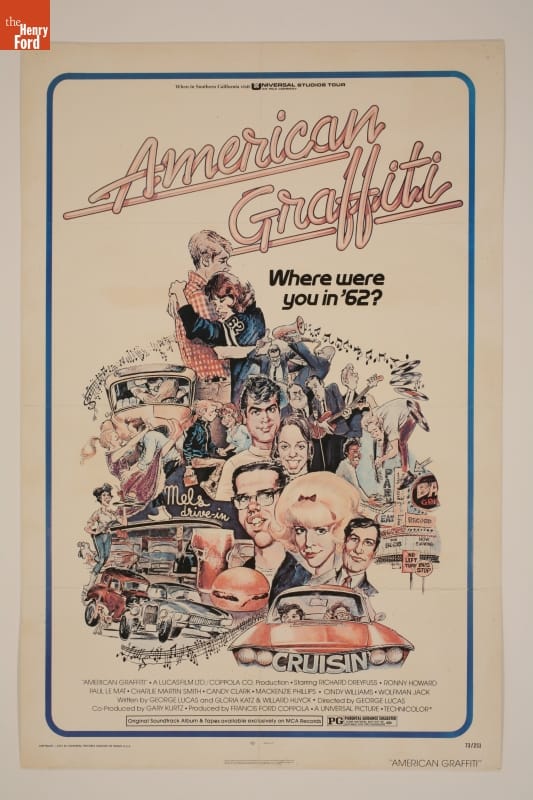
- Movie Poster, "American Graffiti," 1973 - Hot rods, rock and roll, and a generation coming of age cruise down the streets of Modesto, California, in <em>American Graffiti</em>. The George Lucas film follows a group of teenagers on the last night of summer cruising in 1962 -- before college, work, growing up, and the loss of innocence. This poster was used during the movie's release in 1973.
- 1962
- Collections - Artifact
Movie Poster, "American Graffiti," 1973
Hot rods, rock and roll, and a generation coming of age cruise down the streets of Modesto, California, in American Graffiti. The George Lucas film follows a group of teenagers on the last night of summer cruising in 1962 -- before college, work, growing up, and the loss of innocence. This poster was used during the movie's release in 1973.
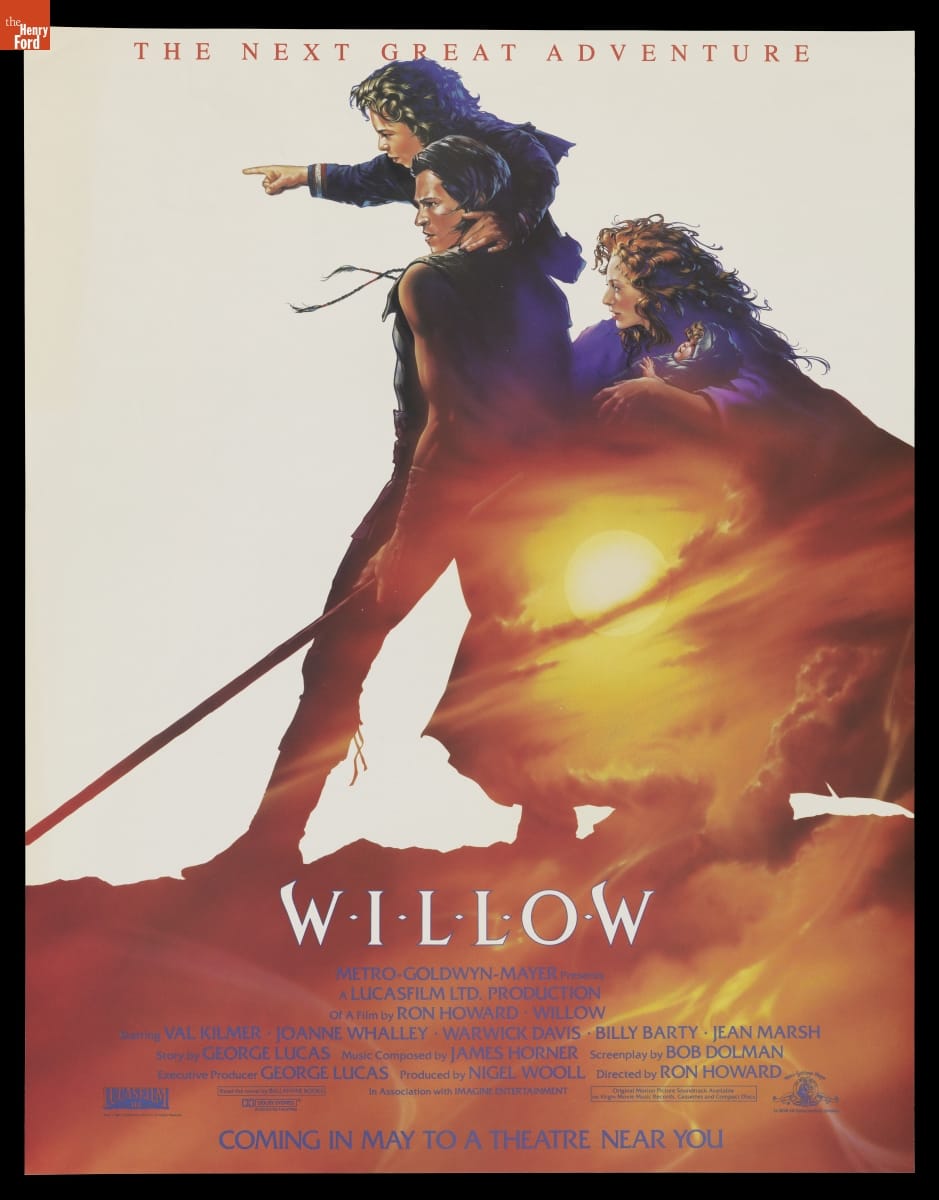
- Movie Poster, "Willow," 1987 -
- 1988
- Collections - Artifact
Movie Poster, "Willow," 1987
- Pathe Movie Projector, 1900-1915 -
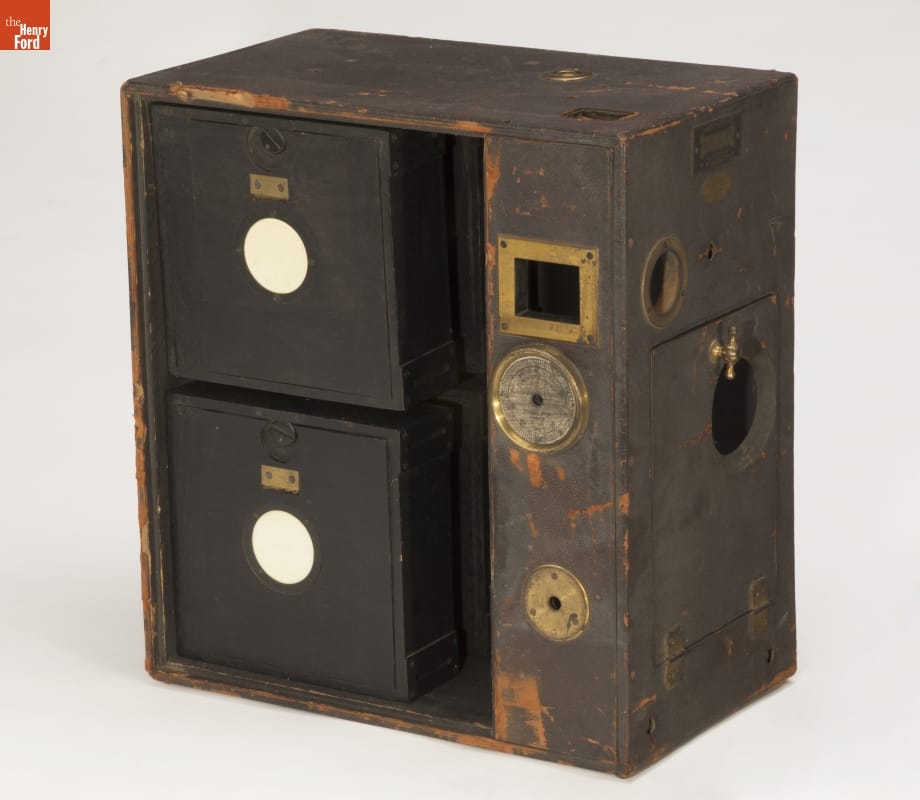
- 1900-1915
- Collections - Artifact
Pathe Movie Projector, 1900-1915
- Brownie Movie Projector, circa 1955 - When Kodak invented the "Standard 8" film format in 1932, they also ushered in the rise of "home movies." Both 8mm film stock and cameras were affordable and widespread by the 1950s. From family events to amateur and experimental movie productions, these cameras provided a new way to record personal history, and alternative creative outlets to Hollywood entertainment.
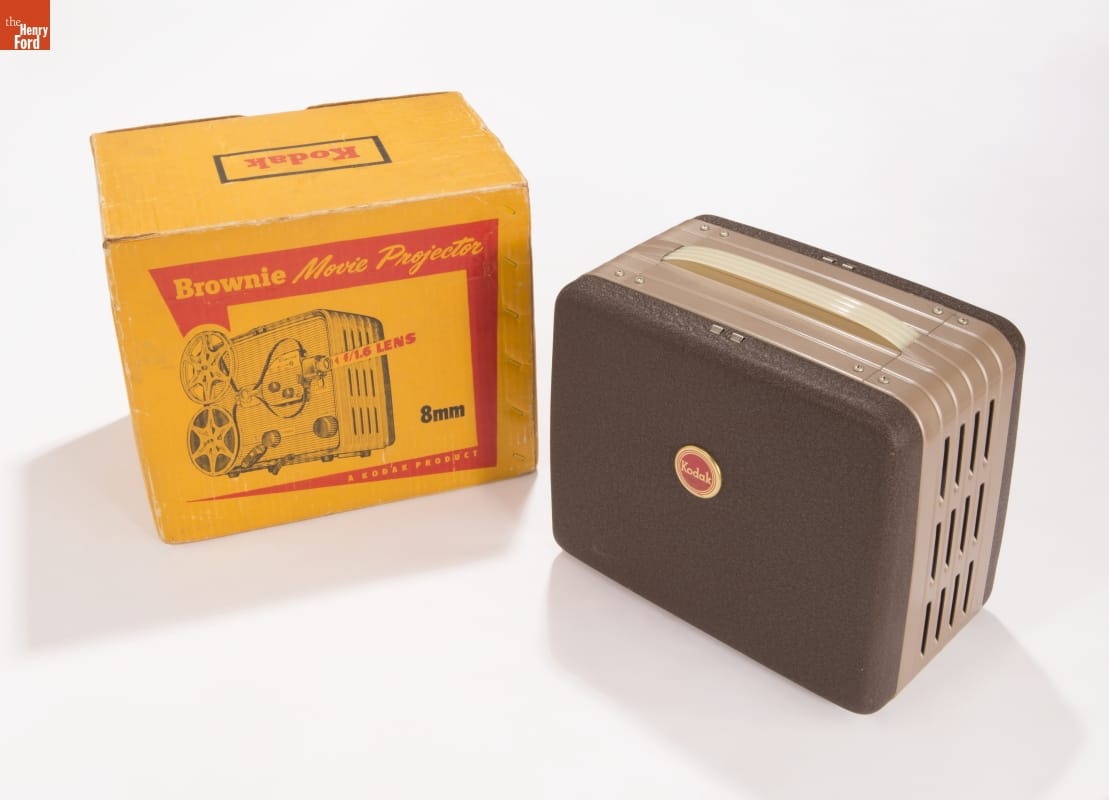
- circa 1955
- Collections - Artifact
Brownie Movie Projector, circa 1955
When Kodak invented the "Standard 8" film format in 1932, they also ushered in the rise of "home movies." Both 8mm film stock and cameras were affordable and widespread by the 1950s. From family events to amateur and experimental movie productions, these cameras provided a new way to record personal history, and alternative creative outlets to Hollywood entertainment.